

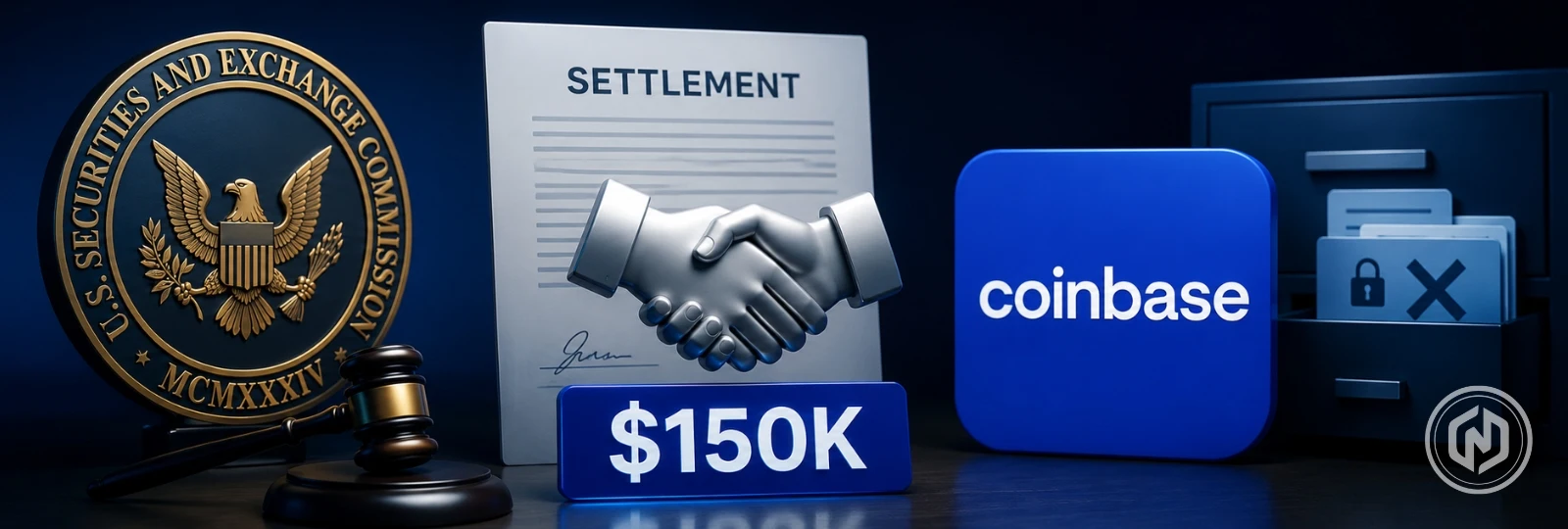


Coinbase has resolved a lawsuit filed under the Freedom of Information Act (FOIA) with the U.S. Securities and Exchange Commission (SEC), a landmark settlement in the cryptocurrency industry that favors transparency. The federal agency has agreed to pay $150,000 as part of the settlement and reform its internal record retention procedures, in response to concerns about government accountability in regulating digital assets that have been raised for years.
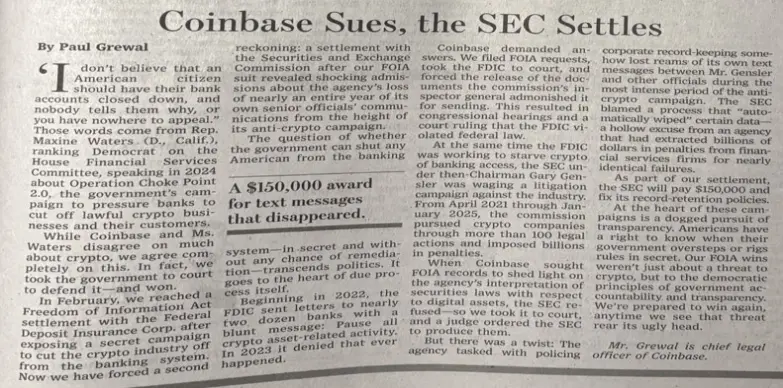
Coinbase’s Chief Legal Officer, Paul Grewal, explained the resolution in a Wall Street Journal op-ed article on 22 July 2026. The lawsuit, filed in 2024, sought records on what Coinbase described as a “coordinated regulatory attack, not a coordinated rulemaking.”
Dispute Over Missing SEC Records
The dispute was over Coinbase’s access to internal documents of communication with former SEC Chair Gary Gensler and senior SEC officials during a period of intense enforcement action against the cryptocurrency industry. The exchange argued that the SEC has failed to deliver the documents it was supposed to make available under the transparency rules.
The case escalated when the SEC revealed it had misplaced a “significant portion” of its internal text messages and other records. Agency officials said the disappearance was caused by an “automatic wipe” policy that erased the communications of senior executives for an entire calendar year. Grewal criticized this explanation as a “hollow excuse,” especially given the SEC’s history of imposing billions of dollars in fines on private financial institutions for similar record-keeping lapses. He stated the regulators should be subject to the same strict standards as those imposed on the private sector.
A Broader Campaign Against Crypto
The settlement is Coinbase’s second significant FOIA win this year. In February 2026, Coinbase settled a FOIA lawsuit with the Federal Deposit Insurance Corporation (FDIC), securing an $188,000 payout. That lawsuit centered on “Operation Choke Point 2.0,” a purported program under which the FDIC allegedly pressured banks to cut ties with cryptocurrency companies, thus restricting their ability to access traditional banking services.
Coinbase has clashed with regulators over market regulation and investor protection, but these FOIA actions have garnered support from bipartisan lawmakers who have called for greater transparency in administration. According to Grewal, the public has a right to know if agencies are influencing policy behind closed doors instead of following formal, accountable procedures.
Shifting Regulatory Tides
The resolution arrives as the Washington regulatory environment is dramatically changing due to a changing presidential administration. The SEC has refocused its approach to digital assets from enforcement to regulation. This shift recently led to the complete dismissal of the agency’s long-running civil lawsuit against Coinbase, removing a major cloud of uncertainty for the platform and the broader industry.
Industry observers believe these twin FOIA successes against the SEC and FDIC will establish important legal precedents. They provide resources for crypto companies and advocates to hold federal regulators more accountable. As for Coinbase, the financial recovery and necessary reforms to government archiving practices are a solid institutional rebuttal to opacity.
Looking Ahead
This FOIA settlement is a small win for industry transparency; therefore, Coinbase (COIN) shares did not react significantly and instead dropped 3.17% during Tuesday’s U.S. market session to trade at $170.26. Amid the current geopolitical uncertainty, the COIN price could plunge to multi-month support of $141.5.
The transparency wins reflect a core tenet of the maturing cryptocurrency industry: Regulators need to uphold the same standards that they set for the businesses they regulate. The settlements forced the SEC and other agencies to keep records and conduct more transparent business, and paved the way for an improved and more predictable regulatory environment that would allow innovation to flourish, not collapse under backroom pressure.