



What to Know
- South Korean police asked Binance to freeze ₩470M in stolen Solana, but the exchange froze only ₩80M.
- Binance delayed action by about 15 hours, citing the need for further verification.
- Experts say faster global cooperation between exchanges is needed to reduce damage after hacks.
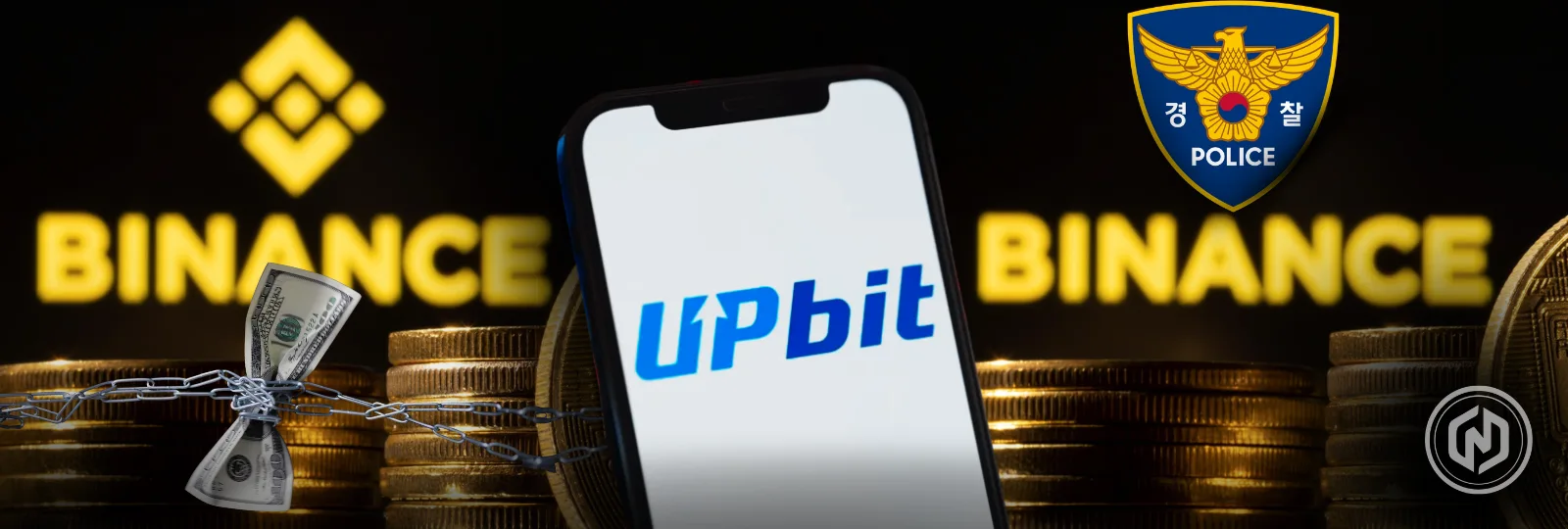
Binance has come under fire after reports say it froze only a small portion of the crypto assets stolen in a major hack of South Korea’s biggest crypto exchange, Upbit. According to KBS, South Korean police asked Binance to lock up nearly 470 million Korean won, which is about $370,000 USD worth of crypto tokens linked to the theft. But Binance froze just around 80 million won (about $75,000 USD), roughly 17% of the total amount requested and did so only after a delay of about 15 hours.
What Happened at Upbit?
On November 27, Upbit discovered that a large amount of its crypto had been stolen from its hot wallets. A portion of Solana network-based assets worth approximately 44.5 billion won was transferred to an unauthorized external wallet address.
Upbit suspended deposits and withdrawals after discovering the unauthorized transfer of about $30 million of digital assets. The amount of stolen funds had initially been estimated at 54 billion won, but the company later revised the figure to reflect asset prices at the time the exploit occurred. The incident occurred the day after Naver announced plans to acquire Dunamu, Upbit’s parent, via a $10.3 billion all-stock deal.
The Police Request
Once the police saw that a large portion of the stolen tokens was being routed to Binance, they issued an official request asking the exchange to freeze the assets. The goal was to stop the hackers from cashing out or moving the stolen funds again.
But instead of freezing all the flagged tokens, Binance froze only a small fraction of them. According to the reports, the exchange said it needed more time for “further verification” before locking up the rest of the assets. The partial freeze wasn’t completed until about 15 hours after the police first asked for help.
When asked about the delay and the limited action, Binance told KBS that it cannot comment on the details of ongoing investigations. The exchange added that it is committed to working with authorities and partners, following the proper procedures.
Why This Matters
Many people in the crypto world say speed is critical after a hack. Tokens can move across different chains and wallets in a matter of minutes or hours. So every minute counts when trying to stop hackers from escaping with stolen goods.A user wrote on X,”15h in crypto time is like a century” showing how critical it is to act fast during such times.
Professor Cho Jae-woo from Hansung University’s Blockchain Research Institute criticized Binance’s handling of the situation. He said that quick freezes right after a hack are essential to reduce losses. But in many cases, exchanges hesitate, often because they worry about legal risks. Cho suggested that the crypto industry needs better global systems so exchanges can act fast in emergencies without hesitation.
His idea includes creating something like an emergency hotline or a global consultative body that can act immediately when cross-border crypto crimes happen. This kind of system could help cut down on the damage when triggers like these occur.
Where the Stolen Tokens Are Now
Security experts have also noted that most of the stolen Solana tokens have now been changed into Ethereum, one of the most widely used cryptocurrencies after Bitcoin. The switch likely happened because Ethereum is easier to sell or trade for cash due to its large market size. This conversion makes it even harder to catch the tokens, because once they enter Ethereum’s network and ecosystem, they can blend into a much bigger pool of assets.
While police work on tracing the stolen assets and Binance deals with requests from authorities, Upbit itself has been actively trying to recover as much as possible. Upbit also promises that no customer will lose their funds, offering to cover losses with company funds.
Final Thoughts
This incident shows how tough it is to deal with stolen crypto once it starts moving on the blockchain. It also highlights the need for clear systems so that exchanges, regulators, and law enforcement can work together quickly. For many in the industry, this case could be a strong reminder that quick action and global teamwork are essential to protect people’s money when things go wrong.
Also Read: 21Shares Expands U.S. Crypto Lineup With XRP ETP Listing