



Key Highlights:
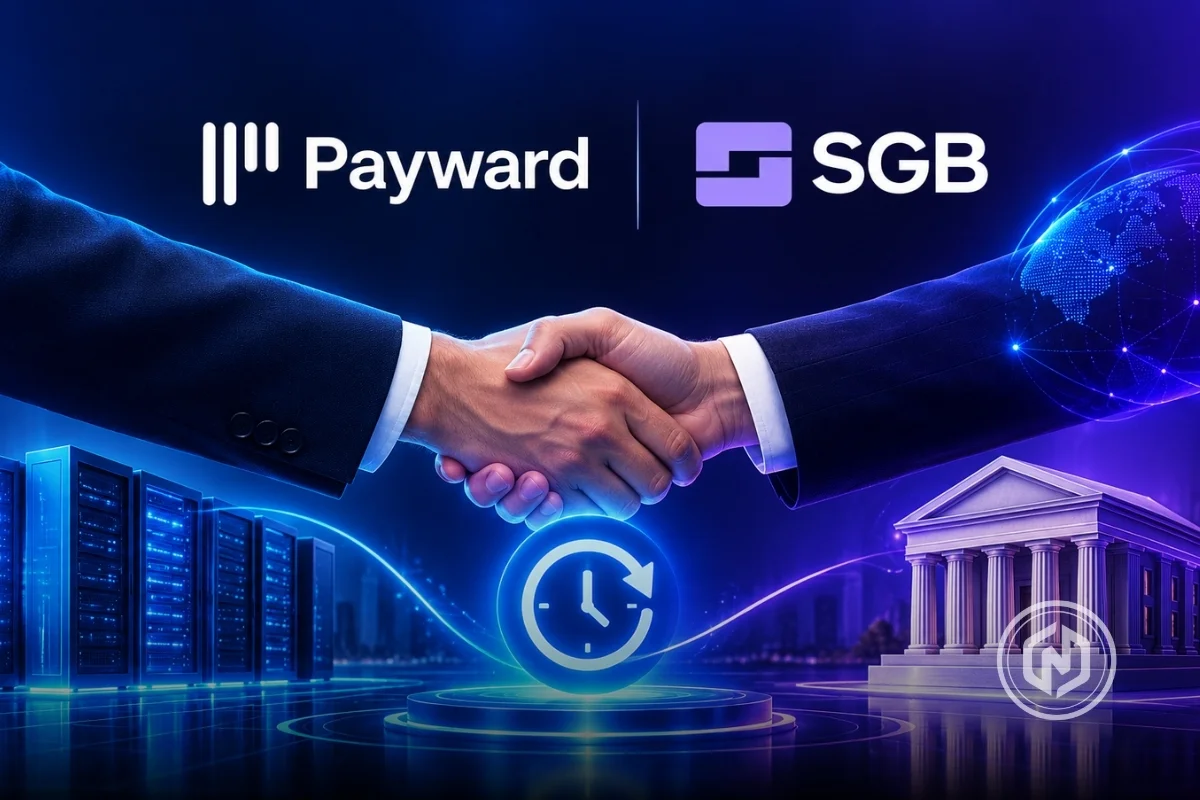
- Payward has officially announced a partnership with Singapore Gulf Bank (SGB) to bring 24/7 settlement to institutional digital asset markets across Asia and the GCC.
- SGB is also collaborating with KrakenPrime to access liquidity for its digital asset offerings and provide its institutional clients with deeper markets and secure execution.
- The partnership aims to overcome the settlement delays of the traditional banking system.
Payward, the global financial infrastructure platform that runs the Kraken digital asset exchange, has strengthened institutional transaction settlement in Asia and the Gulf region with a new strategic integration with Singapore Gulf Bank (SGB). The operational arrangement, announced on October 5, 2026, is a direct link between Payward’s platform and SGB Net, the Central Bank of Bahrain’s real-time, multi-currency clearing network.
The main purpose of this technical connection is to overcome the delay in capital settlement across borders that is often found in the traditional banking system during normal banking hours, holidays, and weekend cut-off times.
With digital asset markets operating around the clock, the old disadvantage of fiat systems (slow processing times) and crypto liquidity pools have often made it difficult to execute transactions efficiently, leading to significant operational disruptions and inefficiencies in trading operations. The integration enables institutional investors with active accounts with both parties to deposit fiat currency into an active trading account at any time of day or night.
New Integration Fixes Fiat Settlement Delays
At first, the 24/7 real-time settlement will be restricted to US dollar transactions with a small number of institutional clients. As the network develops over time, the companies plan to expand the service to more users and eventually to more global fiat currencies. In addition to this integration with the clearing network, SGB will also be leveraging Payward’s institutional brokerage arm, Kraken Prime, for deep digital asset liquidity. SGB plans to utilize these underlying asset pools to price digital asset transactions for its own growing corporate and individual banking customers.
“Exchanges, payment providers, OTC desks and fintechs all run into the same banking constraint. Settlement stops when the business day does, while their markets do not. SGB has built settlement infrastructure that reflects the future of digital asset banking and payments,” said Mark Greenberg, Chief Commercial Officer of Payward. “Every regulated bank we connect with this way brings us closer to a world where settlement and cross-border payments happen in real time, wherever our clients are.”
Public Works and Governmental Support
SGB Net was launched in 2025 to provide specialized digital asset companies with swift and efficient fiat routing solutions. The infrastructure has grown at a rapid pace and currently handles about $20 billion of transactions per month. SGB also has capital support from the sovereign wealth fund of Bahrain, Mumtalakat, and the Singapore-based investment firm Whampoa Group.
To support clients across borders and asset classes, SGB provides business and personal banking accounts to corporate clients and individuals globally, combining multi-currency accounts, international payments, and remote account opening with access to digital asset services.
“Access to liquidity is only useful if clients can move funds when they need to,” said Shawn Chan, Chief Executive Officer, SGB. “By connecting SGB Net with Payward and partnering with Kraken Prime, we are bringing settlement and liquidity closer together, giving clients more flexibility in how they fund and manage their digital asset activity.”
Payward Expands Global Infrastructure Network
The deal is considered an extension of Payward Banking layer, a foundation that facilitates payments, card issuance, deposits and lending, as well as custody operations. The firm is actively exploring further regulated banking partnerships worldwide to reduce the settlement times between regulatory jurisdictions. The launch of this real-time clearing feature is part of a broader change in the way institutions operate, with companies increasingly calling for fiat settlement to be similarly swift to match the continuous markets that digital assets operate in.