



What to Know
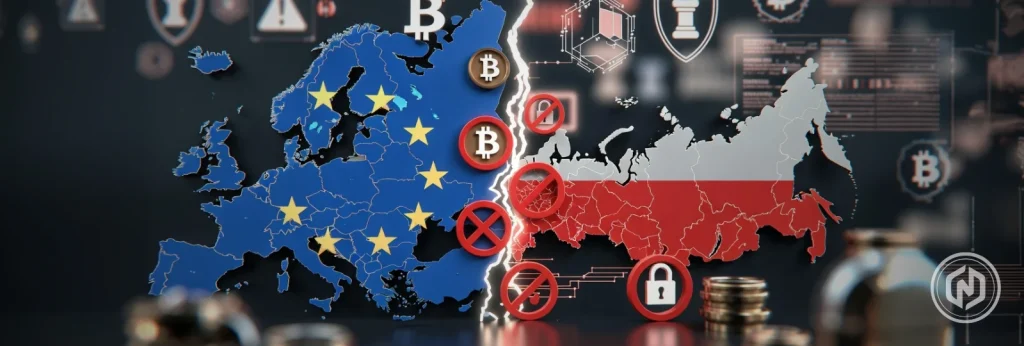
- The EU is proposing a blanket ban on crypto transactions involving Russia and Russia-based crypto platforms.
- The plan also blocks dealings with Russia-linked crypto firms and the digital rouble.
- The measure is part of a new sanctions package and needs approval from all EU member states.
The European Commission, the executive body of the European Union (EU), has come up with a bold new idea to stop Russia from using cryptocurrencies to avoid international sanctions. The plan would essentially ban all crypto transactions connected to Russia, including exchanges, platforms, and even Russia’s own digital rouble as a way to tighten pressure on Moscow amid the ongoing war in Ukraine.
This proposal is part of the EU’s 20th sanctions package targeting Russia and is one of the strongest steps yet to curb financial loopholes. The plan is designed to prevent successors to Garantex, which was sanctioned by the US in 2022 for serving cybercriminal activity.
Why the EU Is Targeting Crypto
As the war continues, Western countries have imposed a long list of sanctions on Russia to limit its ability to fund the war and operate internationally. However, officials in Brussels and across Europe believe that cryptocurrencies may be used to bypass these rules by making it easier to move money across borders without going through traditional banks.
Crypto can be traded and sent without the same oversight that normal banks and payment systems face. That has made some policymakers uneasy, especially if people, companies, or governments linked to Russia use crypto to keep trading internationally despite sanctions. The new plan seeks to close those gaps by banning deals with any crypto service provider that has ties to Russia. This means crypto exchanges, wallets, and platforms connected to Russian entities could no longer be used by EU businesses or residents.
What the Ban Would Include
Under the proposal, the EU would make it illegal for people and companies inside the EU to:
- Use crypto services connected to Russia or Russian businesses
- Deal with platforms established in Russia
- Participate in crypto transactions tied to Russian-linked entities
- Handle Russia’s own digital rouble currency within the EU
The move also targets crypto businesses or services that might be spun out of already-sanctioned platforms. This is meant to prevent companies from simply changing names or locations to get around the rules.
Most notably, the plan also includes a ban on transactions of A7 and its rouble-pegged stablecoin A7A5, which blockchain analytics firm Elliptic says has surpassed $100B in cumulative transaction volume despite prior US, UK, and EU restrictions. The proposal also includes sanctioning 20 additional banks and banning any transactions using the digital rouble, Russia’s central bank-backed CBDC, signaling a major escalation in the EU’s financial sanctions strategy. EU regulators argue that allowing even this state-backed digital money to flow inside the bloc could weaken the impact of other sanctions.
How This Could Affect the World
If passed, the ban could have noticeable effects on crypto markets and services. Many global crypto exchanges have operations or users spanning multiple countries, including Russia and Europe. Restricting transactions linked to Russian entities could reduce market activity for certain coins or trading pairs and might force platforms to improve compliance systems to monitor who is trading and where they are based.
Some crypto observers have also pointed out that strict bans could push more trading into P2P networks or decentralised platforms that are harder for regulators to control. That possibility is something both policymakers and industry participants are watching closely.
What Happens Next
This proposed ban is still just a draft plan. For it to become official EU law, all 27 member states must agree to it and that’s not guaranteed. Some countries have previously raised concerns about how such rules would be enforced and whether they might hurt businesses or individuals who are not involved in sanctions evasion.
Even with these hurdles, the plan reflects the EU’s growing focus on reducing any financial loopholes linked to Russia. Alongside restrictions on energy, trade, and banks, this crypto measure shows just how far the bloc is willing to go to tighten economic pressure on Moscow.
Final Thoughts
Whether or not the ban is approved, the proposal marks a major moment in how governments are thinking about cryptocurrency. Once seen by many as a free and open financial frontier, digital assets are increasingly becoming part of global geopolitics and national security discussions.
Crypto users and businesses around the world are likely to follow these developments closely, as the outcome could set important precedents for how digital money is treated in future conflicts and sanctions regimes.